
This is a conceptual thermal-mass comparison, not measurements from two real homes. Equal thermal resistance does not imply equal dynamic response.
Objective and assumptions
Compare walls at equal geometry, steady-state U-value and boundary inputs. Actual densities, heat capacities and thicknesses were not supplied, so no numerical material ranking is calculated.
Comparison method
A layer’s areal heat capacity in a simple balance is C_A = ρ × c × d. Full dynamic response also depends on layer order, conductivity and accessibility from the room.
Two scenarios
A heavy inner layer can buffer short gains if exchange with the room is not isolated. A lightweight assembly can respond faster to control; the outcome depends on occupancy patterns.
Limits of conclusions
Mass alone does not establish annual savings, cooling time or absence of overheating. Those require weather data, glazing, shading, ventilation and a dynamic building model.
Practical assessment
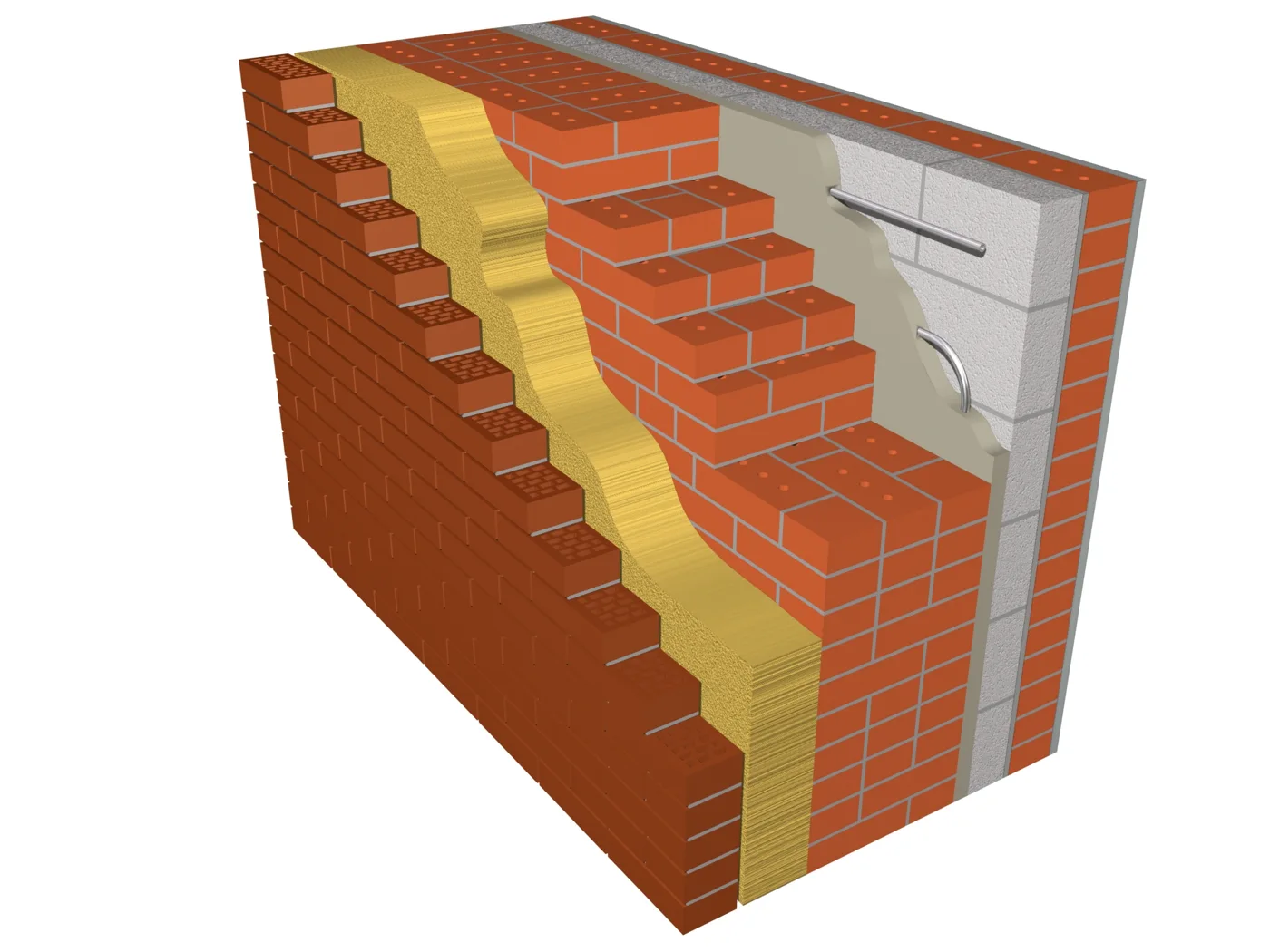
The supplied layered-wall visual explains geometry, not verified thermal properties. Obtain layer specifications and compare identical operating scenarios before selecting an assembly.
| Item | Parameter | Check / result |
|---|---|---|
| Heavy | Accessible mass | Buffering |
| Lightweight | Lower storage | Faster response |
| Both | Matching boundaries | Comparable model |
What this means for your project
First define building operation and shading. Thermal-mass comparison should complement R/U, moisture and structural checks rather than replace them.
Sources and scope of review
Related reading
- R-Value and U-Value: How to Read Thermal Performance
- ZeroHouse Lab: Comparing Four External Wall Concepts
- Insulated Raft Foundation: When It Makes Sense
- Passive Cooling: Night Ventilation, Shading and Thermal Mass